
HOW MUCH SHOULD I PAY FOR VINYL REPLACEMENT WINDOWS?

There are many factors to be examined when purchasing vinyl replacement windows and, therefore, is no straight-forward answer on how much they should cost.  When starting the process of shopping around you will need to ask yourself the following questions about your windows and the company you choose to take on the project.

  1. What type of windows do I need?  Prices vary for different types of windows.  For example, casements, sliders and specialty shapes are going to be more expensive than basic double hung or picture windows
  2. Do I want energy efficient windows?  The answer to this question should be YES.  Energy efficient windows will lower your monthly utility bills, help keep your home at a comfortable temperature, and minimize the fading of furniture, flooring, rugs, etc.  Most vinyl replacement windows on the market today are the double pane, low-e coated, argon filled windows that are very energy efficient.  Be wary of companies advertising unusually inexpensive windows.  They could be cheap windows with no better energy efficiency than older, poorly glazed, single-pane windows.
  3. What features am I interested in?  Pricing will also vary depending on what additional features you are interested in.  For instance, you have several options for window grids.  Simulated divided light (SDL) grids on the exterior of the window pane are going to be more expensive that grids beween the glass (GBG) or no grids at all.  Additional charges will also apply for options such as obscured glass, tempered glass, special colored or stained sashes, screens, special locks, etc.
  4. Who should install my windows?  When shopping for vinyl windows you not only want to choose a company who offers quality windows, but also a company you can trust to install them properly and stand behind their work.  Make sure your contractor is fully licensed and insured and offers a lifetime workmanship warranty.  You will also want to be sure that your contractor has been trained and certified by the window manufacturer to perform the installation to proper specifications and ensure the best results.

Keep in mind that you get what you pay for.  I personally don’t mind paying a little more to get a quality product from a reputable company who will stand behind their work. If you look for the lowest price, chances are you won’t be as satisfied.  And finally, research window contractors on websites such as Kudzu.com and Angieslist.com to read specific experiences that customers have had.

WHAT IS THE DIFFERENCE BETWEEN A PVC WINDOW AND VINYL WINDOW AND WHICH SHOULD I CHOOSE?

When it’s time for window replacement for your home, there are several options for you to choose from. Lets look at two different windows made of the same material but using different manufacturing processes for the window components. Vinyl replacement windows are very common and made using components made of polyvinyl chloride or PVC. Polyvinyl chloride is a combination of different chemicals, plasticizers and pigments. Polyvinyl chloride is also used to make plumbing pipes, electrical pipes, and many other plastic items. Window components for vinyl replacement windows are extruded and contain hollow chambers. The hollow chambers make for a lighter product and easier for welding the components together.

The second type of window is also made from polyvinyl chloride. However, thru a different type of manufacturing process the components are solid. This material is known as Cellular PVC. Cellular PVC is unlike extruded hollow vinyl as it features a foam or cell-structure inside. It can be nailed, sawn and fabricated like wood. The window components (brickmould, sill, jamb, and sash rails) used to manufacture these windows look exactly like wood windows. Cellular PVC windows are solid and stronger than extruded vinyl windows which are thinner and can lead to warping.

Choosing between the two is difficult because they both have different attributes. Here are some things to consider:

  1. Architectural Style – Vinyl replacement windows do not look like wood where Cellular PVC windows have the same architectural moldings as traditional wood windows.
  2. Interior Design – vinyl replacement windows come in 2 interior colors, white and almond or tan. They are not manufactured to be painted. Cellular PVC windows can be painted to match your interior trim.
  3. Energy Efficiency – Cellular PVC windows solar heat gain and U-factor, as tested by the NFRC, are the same as vinyl replacement windows when using the same glass type.
  4. Maintenance – vinyl windows will never have to be painted. However, your color choices are limited and the color you choose will be your only future option. Once painted, cellular PVC windows require minimal maintenance.

One major factor to consider is loss of glass space. When replacing wood windows with a vinyl replacement window, there will be a significant loss of glass space. A vinyl window has its own frame and inserts into the existing wood frame of the wood window after the window sashes are removed. So imagine removing the glass from your window, and installing a new enclosed window in a frame where this glass area was. This will result in a significant loss of glass space which will result in a loss of natural light.

Based on the factors above, when replacing your wood windows, cellular PVC windows are your best option and will give you the highest return on your investment.

CURRENT TRENDS IN ROOFING

The often turbulent weather will have many folks in metro Atlanta contemplating whether to replace their existing roof system. Replacing a damaged roof is one of the most important projects a homeowner can do to protect their most treasured, and often most valuable, investment. On the surface, a roof replacement may seem to be a relatively straightforward project with very few options. In reality there are actually several things for a homeowner to consider before undertaking this type of project. Since this will likely be the last time you will replace the roof on your current home, it is worth a little extra time to consider all of your options.

See Big Picture:
Before you get too involved in selecting some of the items suggested below, you may want to consider a few high level factors that may influence your decision- making process:

Neighborhood – If you are considering replacing your roof, it is likely that some of your neighbors have already done so. Before you get too entrenched in the details of selecting a product and a contractor, take a walk (driving is expensive nowadays!) down your street to see what your neighbors are doing. While you have the ultimate decision as to how you will improve your home, adhering to the norms of the neighborhood will typically help to optimize your return on investment for that project.

Covenants / H.O.A’s – Some neighborhoods with homeowners associations may have restrictive covenants that specify the type of building materials you can use, including roofing.

Future plans – How long you plan on staying in the home may play a key role in the remodeling decision making process. While it never makes sense to sacrifice quality in any home remodeling project, your future plans may impact what kind of investment you are willing to make.

Once you have thought about these items, you are ready to move forward with the decision making process:

Type of Shingle:
There are two predominate types of asphalt shingles available today, “3-tab” and “Architectural”.

3-tab shingles have two notches cut into the lower edge so that when it’s laid on a roof it looks like three smaller shingles. When viewed on the roof, 3-tab shingles have a distinguishable, repetitive pattern.

Architectural shingles (also known as “dimensional” or “laminate” shingles) have an extra piece of shingle laminated to it to give the appearance of thickness and texture when seen from the ground. Architectural shingles also do not have the same regular pattern as 3-tab shingles and will give you a more custom look. When considering this type of option, you may also chose from different variations of Architectural shingles called specialty or designer shingles that give the appearance of other roofing materials (Slate, Cedar Shake, etc.) while allowing you with the reliability and durability of an asphalt shingle. Many of these specialty shingles are engineered to last longer than standard Architectural shingles and thus carry even longer product warranties.

If the slope your roof is shallow (20 degrees or less) the type of shingle is not likely to be a strong visual element of your home. From the ground, the most predominate feature will be the color of the shingle. So – for a shallow pitched roof a 3-tab shingle is likely a good choice. If you have a roof with a steeper slope (more common in newer homes), the roof is very likely to be a more predominate architectural feature. In this case, the shingle pattern will be very visible, and the roof itself may be the first thing people see as they drive down the street towards your house. So – for a steeper slope roof, you may prefer Architectural shingles.

Color:
Color selection for any home improvement project can be both an exciting and stressful decision. For the best results, your new roof color should compliment the rest of your home’s exterior, including the siding or brick color as well as the associated trim. If you are unsure about shingle color, there are several methods to help ensure that you will be happy with your color decision:

  1. Look at houses similar to yours. Specifically look for houses with similar architecture and rooflines.
  2. Simulation Programs – Many manufacturers and some contractors have access to computer simulation programs that can model various shingle types and roof colors on your house. While these programs are a useful tool for comparisons and narrowing choices, please remember the limitations in viewing colors on a computer monitor or printout.

Additional details to discuss with your contractor:
Attic Ventilation – A properly designed attic ventilation system keeps your attic cool and dry by allowing cool outside air to enter your attic through your eaves or soffits and hot humid air to be exhausted from the vents that are typically located at or near the ridges on the roof. An improperly ventilated attic can not only cause premature aging of your roof system, it can also cause damage to siding or exterior paint, warp the roof decking, allow for mildew growth, and even cause higher energy costs. In order to work properly, the intake and exhaust vents must both be operating properly to supply the cool, dry air into the attic while exhausting the hot humid air. A roof replacement project is a perfect time to reassess your ventilation system and make changes to improve it performance. A competent roof replacement contractor can help you determine your ventilation requirements and whether changes should be made to your current system.

Fungus Protection – What are those black stains on your roof???? Those stains are actually an airborne fungus. This fungus grows and is attracted to roof areas with the following characteristics:

  • Areas of moisture or high humidity (everywhere in Middle Georgia!)
  • Areas of high shade (typically northern exposures or under trees)

The good news is that many shingles are now manufactured with an algae inhibitor (typically copper granules) that will help protect your new roof from this fungus for years to come!

Processes and Products – If you haven’t guessed by now, installing a roof system is more than just nailing a bunch of shingles on your roof. How clear is the process that the contractor will use? Will they strip the existing roof shingles? Will they clean up when they are done? What products will be used as underlayment? What will be installed in the valleys? A good contractor will be thorough and explain the entire process.

Warranty – A new roof system should last 20+ years if installed properly. In the last several years, manufacturers and contractors have teamed up to provide warranty programs that can give homeowners security through the life of your new roof. The fact is that roofing problems are rare, but when they occur they can be very difficult and expensive to resolve. A good warranty program should cover both material defects as well as improper installation.

Choosing the Installer:
While much of this article has been focused on the product choices that are available to you when you replace your roof, it is only part of the story. It is just, if not more, important to pick a reputable contractor to install your roof system. When looking for a contractor, here are some factors to consider:

  • Proper and Current Insurance Coverage – If you have been on your roof lately, you know that roofing can be a risky business!!! Check with the contractor’s insurance company to make sure they have adequate and current coverage (check for both General Liability and Workers Compensation Insurance).
    • Experience / Certification:
      • How long has the contractor been in business?
      • Does the roofer have any certifications in the roofing industry?
    • Payment – Is there a deposit required, or is full payment due at the completion of the project?
      • Project Timeline – How long will it take the contractor to complete your roof project?
        • Clear Proposal & Contracts – All contracts should be in writing and should clearly describe exactly what will be done.
          • Warranty – What kind of warranty does the contractor offer (both for product defects and workmanship)?

          HOW AND WHY SHOULD I GIVE MY HOME AN EXTERIOR FACELIFT?

          We often focus solely on updating the inside of a home and leave the outside alone. However, the exterior is just as important to consider. Creating “curb appeal” is real estate language for making a good first impression. We drive out of our driveway every day and forget what we thought about our house the first time we saw it. When you bought your home, you definitely considered its curb appeal, or the potential of it. Giving a home an exterior facelift is an investment worth making. Your return on investment is the promise of increasing your home’s value, less maintenance with rot proof materials, cost saving efficiency, overall increased curb appeal, and, in a depressed housing market, you are happy with your “new” home.

          Magazine racks are full of ideas for renovating kitchens and baths, basements and living rooms, but seldom do you find before and after pictures of changes made to the exterior of the house. This is the first place to start when considering an exterior facelift. You have to know what look you want to achieve. Take a picture of your house and begin to shape the desired “after” look of your home by consciously taking note of houses that stand out to you. Take pictures of these homes. What is it you like about the exterior of a particular house? Is it the front door, the shape of the front door, the color of the front door?

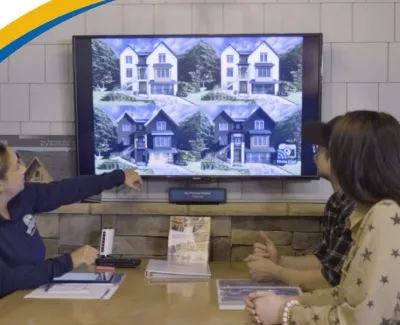
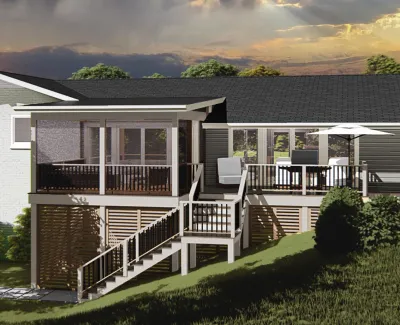
          There are many factors to consider when updating your exterior. For many, just changing the front door would be a fantastic improvement! It doesn’t have to be a daunting task. In fact, updating the exterior can be far less complicated than redoing a kitchen. Follow a before and after plan and create a vision for what you hope to achieve with the changes to come. To simplify and streamline the process even further, it would be helpful to work with a company who can provide an architectural rendering of your house. A rendering will show all the changes you envision and some you may not have considered. An Architectural rendering is a wonderful way to help you visualize and know for sure you are getting the look you want and see what the final result will be.

          Beyond the front door, consider updating the siding on your home. Fiber cement siding options, such and Certainteed or James Hardie are great choices. They both are “no rot” product options with tremendous material warranties, but also offer various aesthetic possibilities. Create dimension and interest by combining various materials and looks. For example, you can accent gables or dormers on the house with fiber cement shake shingles and install lap siding below. Make sure to use a certified installer of these siding products. And preferably choose to work with a company who provides a lifetime workmanship warranty on their installation.

          In respect to varying materials, consider adding a synthetic stone water table around the bottom perimeter of your home. Synthetic stone is far more cost effective than real stone and adds warmth and richness to the exterior. Stone is a wonderful accent around a front door as well.  Use earth tone paint colors that complement the colors found in the stone on the exterior trim and siding.

          Speaking of paint, do not under estimate the change new paint colors will have on your home. Color, color, color; more than anything else, color is key! Don’t choose just any paint. Protect your investment and choose quality lifetime paint! Choose accent colors for shutters and your front door. Paint alone will drastically change a house.

          Consider small, but noticeable changes such as new gutters, window pediments, or new shutters. Bronze colored gutters that contrast with the painted trim color, but match the shutter color, is a very current trend. Update the look of your shutters and opt for no maintenance by installing PVC (no rot) board and batten shutters with real S hook and hinges. Or, imitate the look with less expensive vinyl board and batten shutters with S hooks. Adding hardware, like the iron looking S hooks and hinges, or a new front door handle are subtle changes that bring significant visual improvements.

          Consider everything you do to improve the exterior of your house as a facelift of sorts. Try to tie in the necessary need of painting, for example, with an update. Take advantage of the opportunity the next time you need to paint the exterior, of updating the color.  When it’s time to replace your roof, add architectural shingles. An architectural roof adds dramatic updating to older homes and value by increasing the warranty coverage period of your roof. In terms of efficiency savings, get rid of drafty single pane windows and upgrade to double paned insulated glass. New windows, like paint, bring instant gratification. Not only do they improve the look of your home, but the monthly energy bill as well.

          Finally, a downturn in the housing market is a perfect time to consider an exterior facelift. Rather than focus on how you can’t sell your house, why not give your home the facelift it deserves? Fall in love with YOUR house rather than wishing for another one. Live in a home you love and know the investment will pay off for you, make the best first impression on future buyers, and bring a quicker sale and higher price if and when you do decide to sell.