
TOP 2013 REMODELING TRENDS

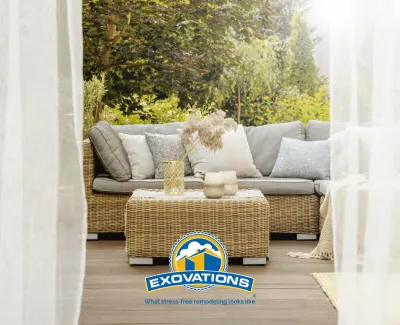
Not too long ago, the “craze” was going green and being energy efficient. New public surveys released for 2013 show that the current home remodeling trend is none other than outdoor living. It’s a strange term considering how our ancestors spent most of their days thinking of ways to live on the INSIDE of the house and now that we have all the luxury of indoor plumbing and almost anything else imaginable: gyms, pools, saunas, theatres inside our home… we are wanting to live on the outside.

According to the 2013 Residential Landscape Architecture Trends survey conducted by the American Society of Landscape Architects, American homeowners are increasingly drawn to adding outdoor rooms for entertaining and recreation on their properties. Across all categories, 97% of responders rated fire pits and fireplaces in demand, followed by grills, seating and dining, lighting, and outdoor kitchens. Terraces, patios, and decks are high on the list as well at a 96% demand by the same surveyed responders.

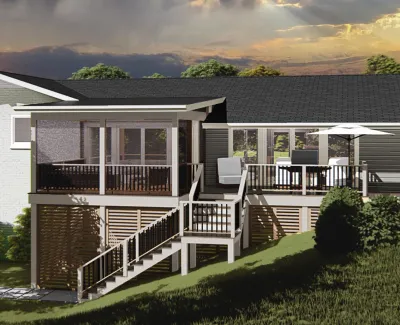
Most would think these added features are luxuries and may not be practical in an uncertain economy; research shows the exact opposite. Homeowners want to be able to enjoy their homes and yards now more than ever as an alternative to travel and secondary expenses on vacationing. The consumer behavior is also leading toward an attractive outdoor space that is easy to take care of and is sustainable. This year, we have seen a drastic increase for deck additions, screened porch additions or remodels, and the adding of front porches and porticos.

Products that are low to no maintenance are very popular among consumers in the Atlanta market area such as composite decking boards. The new composite decking products referred to as “capped composite”  looks like real wood but the inner core similar to the first generation of composite decking is now wrapped with protective shell to create a lasting product that is easily maintained by just washing once per year or when a spill occurs. These products are warrantied for twenty five years which is twice the duration of your typical pressure treated wood deck. Don’t be fooled into thinking that your typical pressure treated wood products aren’t in high demand as well. There is a rich cedar look to these products that certain homeowners are after.  Adding a deck or porch to your home creates additional living space, resulting in a beautiful setting for outdoor entertaining. This time of year, we see many people looking to host parties for graduation, Memorial Day, birthday parties, and much more.  Creating space to host guests on the inside of your house is difficult to accomplish which is why so many are turning to the great outdoors for hosting the perfect summer party.

If you are considering adding some excitement to your house, by entertaining the outdoor living idea… there are tons of great ideas available on websites like Pinterest and Houzz. Don’t get sucked in! The decorating is half the appeal… watch out for those awesome Chevron pillows.

EXOVATIONS named 2013 Market Leader by Professional Remodeler Magazine

Gallery

EXOVATIONS named 2013 Market Leader EXOVATIONS was recently contacted by Professional Remodeler Magazine for a front cover photo opportunity after being named 2013 Market Leader by the publication. Kyle Clapham wrote this about EXOVATIONS in the magazine publication, ” Exovations … Continue reading

QUESTIONS TO ASK WHEN CHOOSING A HOME IMPROVEMENT CONTRACTOR

There are several important questions to ask when choosing a home improvement contractor. Unfortunately, many homeowners are far too busy comparing prices to learn more about the specific skills and qualifications of the professionals they are considering. Without carefully pre-screening companies, however, it becomes possible to lose far more than the money you’ve paid for their services. So, without further ado, here are some essential topics to cover when pre-qualifying a provider before making a financial commitment.

Past Experience

Learning more about the jobs that a contractor has completed in the past is one of the best ways to gauge the amount of artistry and skill that will be applied to your project. You can ask for photos and direct references. In fact, you can even ask permission to view some of a company’s completed work in-person. Many contractors are now hosting comprehensive photo galleries of their past work, right on their professional websites. Touring these images and taking notes is one of the easiest ways to gain confidence in a prospective provider.

Satisfaction Guaranteed
The best professionals in this business always offer their clients rock solid contracts. These detail the specifications of the work, including the materials that will be used and a fixed rate on labor. One key feature to ask about is whether or not the company’s standard contract includes a satisfaction guarantee. This guarantee will allow you to get any reasonable corrections, free of charge, without a lot of hassle. Your contract should additionally specify whether or not the provider will be responsible for hauling waste materials away from the project site and whether exterior bathrooms for laborers will be supplied.

Supplies
It is usually best to let your contractor do all of the necessary shopping for your project on your behalf. These professionals have a keen understanding of the best materials for different purposes and often have access to special discounts from their suppliers. In the event that you’re working with a contractor who is open to you buying supplies independently, then it would still only be worth it if you know that you’ll be able save a considerable amount of cash. If this particular company tacks additional monies onto their bills for their shopping efforts and you have an in at a local vendor, then it would work in your favor. Mark-ups are generally pretty nominal though. That said, it still helps to know how these will impact your total project costs before committing to services. You should also know that property owners who purchase their own supplies often forfeit their customer satisfaction guarantees in the process, as contractors know exactly what works and what doesn’t, and they don’t feel the need to try something out that could jeopardize their success and potentially their reputation.

Professional Coverage
No matter how pressed for time you might be, getting solid proof that your provider has coverage is an essential part of the hiring process. Without adequate insurance in place, your hiring decision could cause your own homeowner insurance to become voided. Should something go awry, whether it be property damage or physical harm incurred by a laborer while on your property, it could result in financial catastrophe. This makes it vital to hire companies that have general liability insurance with sufficient limits as well as professional liability insurance that will protect you from losses resulting from work-related errors, oversights and omissions. Proof of coverage and verification of coverage limits should never come from providers themselves. This information should instead be provided by their respective insurers, who can keep you updated should lapses in coverage as the result of non-payment ever occur.

General Guidance

A truly knowledgeable provider can help you to save tons of cash over time. These professionals can take your design ideas to the next level by showing you easy and low-cost improvements that will increase durability and provide your property with an additional measure of protection. Thus, before hiring any provider, you must ask whether or not he or she is comfortable with offering professional suggestions. Although you likely have some basic ideas of the results you want, it’s important to have expert assistance in the final stages of planning.

Katherine Donahue loves to write about getting the best deal. Her recent work is about colleges where students attend for free.

Adding Curb Appeal to Your Home

Fall is here and it’s usually the second time of year homeowners start thinking of vamping up their home’s exterior. The first home exterior game changer typically occurs in the spring after we have all sat inside all winter and dreamed of the possibilities we wanted to change once the first sign of warm weather occurs. For most home owners, time and money are a huge factor in all that we complete during those few short months of “Spring Cleaning”. Then summer arrives, unseeingly quicker than we would like for it to, and some of our “to dos” get pushed to the curb. Fall is a great time to reexamine what it is we didn’t finish in the beginning of the year. Some people are thinking of the guests they plan to entertain for football games, Thanksgiving, and even the Christmas Holidays. This brings me to my topic: Adding Curb Appeal to Your Home. Whether you are looking to add curb appeal for resale value or just make it more appealing for yourself, family, and friends.
The September 2012 issue of Atlanta Home Improvement Magazine has listed their top five things to add curb appeal to your home. I want to touch on those and elaborate on what I know best; home exterior. In an article written by Alma E Hill, it is noted that these are the five key elements in adding value to your home: remove weeds from planter beds and add new mulch and borders, repaint the house, repair porch railings, repair cracks in the driveway, replace a damaged roof with a new one. I couldn’t agree more. Sometimes the smallest of changes makes a dramatic impact. Just “cleaning” your exterior and minor landscaping can add pizazz to a dull, dirty, dingy outside. I recommend that you pressure wash your home exterior yearly to maintain a radiant look. This also helps prevent from mold and mildew building up on exterior surfaces that do not see very much sunlight. If you roof has stains or mold spots, be careful not to pressure wash your roof. Pressure washing your roof destroys the granules and can lead to major roof shingle damage. If you notice mold spots, you can spray an application of bleach and water on the area and let it sit. Simply wash it off with water from a hose and skip using a pressure washer on your roof altogether.
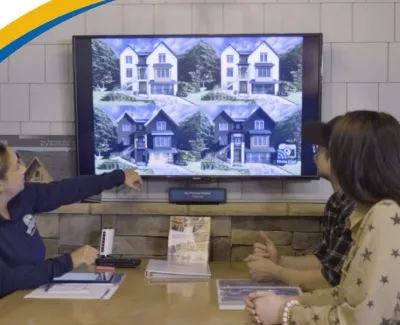
After your exterior has been cleaned and looks nice and tidy, make your “to do list” based on what you see. Maybe your paint is flaking or chipped? Maybe a few boards need to be replaced here or there. It’s easier to evaluate what is damaged and not just dirty once you have given your exterior a thorough cleaning. Repainting your exterior is a daunting task, but you may only need to touch up the trim. If you are ever in question, it’s always best to seek the advice of a professional. Changing the color of your trim, garage doors, front door, or shutters can create an intense change that is easy and cheap to do. If you are really feeling bold, consider changing colors, patterns, and textures of your home’s exterior for a thrilling transformation. The possibilities are endless as to simple changes you can make for a jaw-dropping effect. There are several free websites that will allow you to create changes to visualize what differences you can make on your home and if you are really considering a major renovation consider an architectural rendering of the changes before you make any commitments. Many companies offer these for little or no charge. There are also many sites available to browse existing homes to seek ideas from such as Pinterest and Houzz. Capture anything that catches your eye or appeals to you. Chances are, others would be taken by the same look if it is on your home.

Lastly, fall is the time to attend home shows to get more ideas and even pricing for professional services if you so desire to seek the help from someone else. Many home shows have companies that set up displays of their actual work so you can see what you would be getting from them if they were to work on your home. Meet their staff, ask for before and after photos and references, and always check reviews from sites such as Kudzu, Angie’s List, and Google Plus to see what their customers thought of their process, products, and pricing.

HOW TO LIGHTEN A DARK ROOM (WITHOUT ADDING LIGHTS)

Do you have a room of your home that always feels dark?  Did you know that windows or doors can be cut in to create an entirely new feel to your home?

Upon purchasing my home, we fell in love with the lot, location, and layout but the house had one major problem.  The Master bedroom only had one window and the room was DARK.  We recently addressed the problem by having 3 windows cut into the wall.  I can’t believe the addition of windows made such a difference to our home.   The light can be seen from all the way down the hall.

Consulting with customers through Exovations, I’ve planned many wall modifications to let in light.  Each time, the room is transformed beyond imagination.  One customer had a brand new home with an amazing living room.  The problem was – no light.  She didn’t want to take up wall space where furniture could go with a window so we got creative.  We cut a long window in over her couch.  Instead of hanging a picture, we installed a picture window framing an image of her yard.  The window is about 2 feet high and 8 feet wide.  This allowed the perfect amount of light into the room while not affecting her furniture configuration in any way.

As people live in their homes, they often expand the outdoor living space. The home was most likely designed with only one back door.  A large window can be converted into a door to add access to outdoor living areas.  Single doors can be converted into double doors either French (in-swing or out-swing) or sliding doors (now available to look like French doors).

Skylights are an option for adding light to a room as well.  Skylights however, potentially add a leak hazard to your roof.   It’s really best to install skylights only at the time of re-roofing your home.  This ensures that they are properly flashed and tied in to your roofing system.

Then there’s the other side of this conversation- removing a window or a door where you just don’t want one.  If you’re considering new siding for your home, this is a perfect time to “fill in” an unwanted door or window.  If the project is done properly, no one would ever know an opening existed.

One of my customers had a door in her bedroom that lead to “nowhere”.  There had once been a balcony outside her room but it was long gone.  The door was a safety hazard for her grandchildren however she didn’t want to lose the light it provided.  Along with replacing the siding on her home, we framed in the door and installed a window in its place solving the problem.

Another customer had an arch window that allowed light to glare into the home fading out floors and furniture.   A custom window treatment was required to cover the window.  Instead of the expense of custom window treatments, they chose to have us: remove the window, frame in the opening, and install siding over the space.  The elimination of the window solved the light problem and you would never know a window was ever there.

Eliminating or adding a door or window will create a drastic visual change to a home.  Each scenario is unique and completely custom.  Additional framing is always needed and often electrical work.  The type of siding as well as interior wall treatment will also be a factor in the renovation plan.  An experienced, licensed, and certified Contractor is highly recommended to make these changes.  The investment however is worth it.  The next time you go to turn on a lamp during the day just think – where could we put that window…


WHAT ARE THE DIFFERENCES BETWEEN CERTAINTEED AND JAMES HARDIE FIBER CEMENT SIDING PRODUCTS?

Fiber cement is Fiber cement, right? So what is the difference from one brand to another?  Well, Certainteed Weatherboard and James Hardie fiber cement siding have some things in common. Both are very durable, rot proof, fire rated and impervious to wood boring insects. They are priced about the same and both come in an array of shapes, pre-finished colors and textures. They are manufactured by reputable companies who have been around for a long time. Now here’s where they differ:

  1. Warranty: James Hardie offers a 30 year limited warranty on their primed lap siding.  Certainteed offers a 50 year limited transferrable warranty.
  2. Appearance: CertainTeed, in my opinion, does the best job in the industry of duplicating the look of real wood.  The pattern is a deeper, more authentic wood-grain pattern than James Hardie.  You will find far fewer boards with duplicated wood grain patterns with Certainteed than with James Hardie.
  3. Pre Finished Stained siding: CertainTeed offers pre-finished stained siding available in 6 Premium colors.  “Get the beauty of stained Cedar without the drawbacks of wood.”
  4. Environmental Friendliness: Certainteed is committed to “Green Building”.  Certainteed uses 30% recycled fly ash as a binder in their boards.  Fly ash is a material that would otherwise be disposed of in landfills. They also manufacture using recycled water, recycle their waste verses filling landfills, and are recognized by ENERGY STAR for achievements towards reducing greenhouse emissions through energy efficiency.
  5. Health Factors: James Hardie siding is largely composed of silica. When cut a fine dust containing this silica is released into the air.  Breathing silica dust can cause silicosis, a disease affecting the lungs and respiratory system.
  6. Durability: Certainteed better resists the effects of heavy rain, high humidity and extreme cold temperatures.  It has a 60% higher interlaminate bond strength compared to James Hardie meaning it will not delaminate.  This feature is guaranteed in Certainteed’s warranty.
  7. Impact Resistance: Certainteed siding has been proven to be less likely to fracture upon impact than James Hardie siding.
  8. Primer Finish: Certainteed uses FiberTect sealant which actually penetrates into the boards and bonds with the fiber cement material, protecting the siding from unwanted moister.  The FiberTect also bonds better with paint giving you a longer lasting finish.  You can wait up to 2 years before painting new CertainTeed siding versus 6 months with James Hardie.
  9. Over 100 years of building products leadership: CertainTeed is one of the nation’s largest and most respected building products manufactures.

Fiber Cement siding is an excellent investment for your home regardless of the brand you choose.


HOW CAN I TELL WHAT TYPE OF SIDING IS ON MY HOME?

Dating back to pre-historic times, man discovered that shelter is an essential part of living. The Caveman had caves, the American Indians had tee-pees and huts, Kings and Queens have had castles of stone, and the list goes on. Well, those of us that are fortunate enough to own a home might one day need to know what type of cladding is protecting our house. Stone and brick cladding are easily identified.  There are some of us, however, that have different types of cladding other than stone or brick. Here are some other types of cladding and their characteristics so you can tell what is on your house.

1.)     Stucco and Synthetic Stucco—

Real stucco siding is a mixture of cement and inert materials like sand, water, and lime, and is installed directly onto a wall after the proper preparations have been made to the wall surface. It goes on like a thick lathe and is generally tinted so that it doesn’t have to be painted for a long time. It is one of the oldest forms of cladding and is impervious to rot and insect damage if installed correctly. If you knock on the side of the house, it will sound solid and not hollow.

Synthetic Stucco was introduced in the 1950′s by European builders shortly after World War 2 as an acceptible solution to repair buildings that were damaged during the war. It made a come-back during the 1980′s in the U.S. as a less expensive alternative to real stucco. Synthetic Stucco consists of three layers. The exterior layer is made of a textured finish coat, which is the side that you see on the home, the middle layer consists of a cement base coat and a glue that is reinforced with a fiberglass mesh which is applied to the inner layer…a foam insulation board. This is the final layer, and is usually glued directly to the sheathing of the house. This material was originally produced with the intention of attaching directly onto stone or brick. When it started being applied to wood structures, is when the problems with moisture and rot damage occured. EIFUS- (Exterior Insulation and Finish Systems) is one such sytem that is well known for it’s problems with residential applications. If you have moisture issues concerning stucco, you may see signs of swollen trim around your window and door frames, peeling or blistering paint, or even mold and mildew issues on the exterior finish or even the interior of your home. This too, can be easily identified by knocking on the wall to see if it sounds solid or hollw. If it sounds hollow, it is most likely synthetic stucco. Oftentimes, there will be parts of the house that may have some puncture damages or holes that birds have pecked their way into the wall and made it their home too? Can you see foam inside these places? It’s synthetic stucco!

2)  Wood Siding

Wood siding has been around since there were trees. It is usually pretty easy to pick-out. When stained, it is very easy, as you can see the wood grain textures, imperfections, and even knots. You may also see splintering and splitting, but the board is still intact. Lap siding boards are usually random in length, and are shorter than 16 feet long. Typically the boards are beveled with the bottom edge being thicker than the other to ensure that the boards lap over each other without difficulty. Shingle wood siding has also been a popular siding of the decades for it’s asthetic appeal.  Vertical Panel wood siding is also another type of wood siding, such as Board and Batton, Channel Groove, Tongue and Groove and, the more recent, T-111 and reverese board and batton styles. All of these types of siding can be found in several different species such as cedar, redwood, cypress, pine, and fir. Even though it requires more maintenence than recently introduced products, when properly maintained, wood siding will last a lifetime.

3) Synthetic wood siding

Also referred to as hardboard, pressboard or masonite siding, is mainly comprised of wood fibers, flakes or chips that are held together by glues and resins. This type of siding was extremely popular from the 1980′s to the mid 1990′s as a low cost alternative to other existing house sidings. It is mainly referred to as masonite siding because the company Masonite was the first manufacturer of this type of product. However, there has been several companies that have manufactured this type of product since it was introduced in the 1920′s. There are many different types and styles of this product that have been made into both vertical and horizontal sidings. The best way to tell what type of siding it is, is to go to an unfinished area like the attic, and look on the backside of the board to find the manufacturer’s name or an AHA code (The American Hardboard Association). This will help you determine the manufacturer of the product and where it was made.  Another way is to try and identify specific markings on the exterior grain (if one exists). For instance, the Masonite Brand siding has a waffeled iron texture, Weyerhouser’s has a smoother finish that resembles cork,  and Louisiana Pacific (LP) siding has a distinct knot that is repetitive throughout the board.

4) Asbestos Siding

Asbestos Siding is a type of siding that was introduced in the 1920′s as a fire-proof cladding for buildings and homes that could also resist rot and insects.  Asbestos itself is actually a rock that has an inner-fiberous makeup that looks alot like hair or fur. The first documented use of this material was in the 1800′s as a type of insulation for pipes, and later was used as insulation for buildings and homes. When used as a siding, Asbestos fibers were mixed with Portland Cement and pressed together to form what we know as Asbestos Siding. This type of siding was manufactured up to the late 70′s, until it was deemed as a health risk. Asbestos is actually safe unless inhaled. This happens when the siding is cut or broken. Exposure to this have been known to cause Mesothelioma and Asbestosis of the lungs. The only true way to identify Asbestos siding is to have it tested. It does have some characteristics too look for. It is ususally in a shingle/shake form 12″x24″. It may be smooth, or have a pressed wood-grain pattern on the surface of the board. It usually will have two or three nails at the bottom portion of each panel.  It feels denser to the touch than current fiber-cement siding, and was typically dyed when manufactured so it wouldn’t need to be painted. Efflorescense (chaulking) can commonly be seen on Asbestos siding.  If your house was built around or prior to the late 70′s, has the original siding and seems to be made of cement, it is probably Asbestos Siding.

5) Aluminum Siding

Aluminum siding is pretty easy to identify. It looks very similar to vinyl siding, but metal, and is easily dented. It was a very popular choice of siding in it’s day because of its price, and could be installed directly over existing  wood siding.

6) Vinyl Siding

Vinyl siding too, is also pretty easy to identify. It feels like plastic, is dyed the same color throughout and when pushing on the wall of a house, it tends to flex. It also, like masonite siding, is usually labeld by the manufacturer or a manufacturing code on the back side of the siding panel. Vinyl siding is a popular choice of homeowners because of the price, and can be installed over their existing siding. It never needs to be painted. One drawback is that if a piece of siding needs to be replaced,  it can be difficult to find the same manufacturer, style, and color for an exact match. If you are lucky eneough to find that exact piece, the color may not match exactly due to fading of the existing siding. In recent years, manufacturers have introduced Insulated Vinyl Siding as an upgraded product. It is like regular vinyl siding, only it has an insulated foam backing that helps energy costs and also durability.

7) Fiber-Cement Siding

Most people can identify this type of siding because of it’s popularity in recent years. it is more commonly referred to as hardiplank siding. The James Hardie company began producing fiber cement building products in the mid – 1980′s and the most popular being the hardiplank lap siding. Today there are several companies that produce fiber cement siding and building products. Fiber Cement siding was manufactured as a replacement for asbestos siding, which was popular for its attributes of being fire-retardant and rot and insect proof. It is formulated using sand, cement, and cellulose fibers. It is very durable, and can be painted or stained. It also comes in pre-painted or pre-stained versions from different manufacturers. It is available in a wide variety of shapes and styles for siding, trim boards and soffit material. It is generally more expensive than aluminum or vinyl siding, but less expensive than stone or brick cladding. Fiber cement siding can be seen on newer homes built from the late 1980′s to present date.

HOW DO I CHOOSE EXTERIOR PAINT COLORS FOR MY HOME?

It might seem simple but choosing exterior paint colors can be one of the most difficult and time consuming phases of your entire home remodeling project.  Well chosen paint colors can enhance your home’s curb appeal and even add value to your home.

Start by picking a color scheme, or several colors in a pattern.  A good rule of thumb to follow is to use a ratio of color such as 60:30:10 as follows:

Body / Field Area – The largest area of your home is considered the field area or the body.   60% of the color should be used for this area.   Most people choose a more neutral color for the field area and may take more risk with their trim colors.

Roof/Trim - 30% of the color should be utilized for the roof and trim.  The color of the roof doesn’t have to match the trim paint color, but it should harmonize.  The trim color is used on areas of your home such as the fascia boards, gutters, window trim, and entry doors. When choosing your trim colors, keep in mind that this color should complement the field area. The trim color defines the architectural details of your house. If you feel the need to be more creative, your exterior accent colors are perfect for showing your boldness and, when used sparingly, can draw the right amount of attention to your front door, pediments, and/or shutters.

Architectural Details – 10% of a different color can be given to details such as shutters, decorative molding, doors, brackets, columns and porch decks and ceilings.  This is a fun area of color to play with to show dramatic emphasis or just a little for your accents depending on how dark the shade of color you choose.

One of the easiest ways to find a color scheme idea is to drive around neighborhoods to see what appeals to you. This is not only a great way to figure out what you like, but it is also a tremendous help for anyone who has difficulty visualizing what their house will look like from a color swatch or wheel. If you see a home color that you love, don’t be afraid to ask the homeowner for the manufacturer and color they used. You will be surprised how flattered most people are that you liked their colors and they will probably be only too glad to share all their paint information, down to the last detail. Most paint stores will have brochures that suggest color combinations. Some paint manufacturer websites even have color selection software to help you visualize what the final project will look like.

When choosing your paint colors, make sure you choose a color that will last, meaning they will maintain their freshness and intensity for a long period of time. Darker colors will fade faster because they absorb more heat and are prone to damage from UV rays. If you prefer darker colors, adding gloss or sheen will help prevent damage from UV rays and reduce fading.

Lighter colors tend to make a house look larger and dark colors will do the opposite. Currently, lighter colors are the popular trend, but this alone shouldn’t be the deciding factor. This is just a consideration to help narrow down the endless possibilities of colors.

Not only do you need to pick the actual colors of your home, but you need to decide to choose the finish of paint to get in each of those colors.  Typically, for the body of the home a flat or satin paint is used.  A flat (matte) finish will add to the natural architecture of your home and is a great choice for hiding imperfections that are sometimes present in wood.  A satin paint has a soft sheen with excellent performance, providing a longer lasting protection from UV rays and the elements than flat.  It can be used on the body, trim, shutters and fascia.  A semi-gloss is ideal for trim, doors, shutters, and architectural trim and has maximum durability.  A gloss finish has excellent adhesion and is also ideal for trim, doors, shutters, and architectural details.

Because actual color and finish cannot be grasped as easily with a paint swatch or on a computer screen, it is ALWAYS a good idea to pick up samples from your local paint store and paint the sample colors onto your home. Choosing a side of your house that is least visible and with adequate light, paint sample areas large enough to obtain a good idea of what the color will look like, and be sure to let the paint sit for a couple of days to be sure the color does not change as it cures.

Once you have completed painting sample areas, “live” with the colors for a few days, viewing them in the lighting during different times of day. You might discover that a color that you thought was your final selection during the morning looked entirely different and unattractive in the waning afternoon light. This is also a good time to invite a few friends or neighbors with good “design sense” to view your samples and share their advice. If your neighborhood requires approval by an architectural control committee, this is definitely the time to arrange for their visit. Good luck and happy painting.