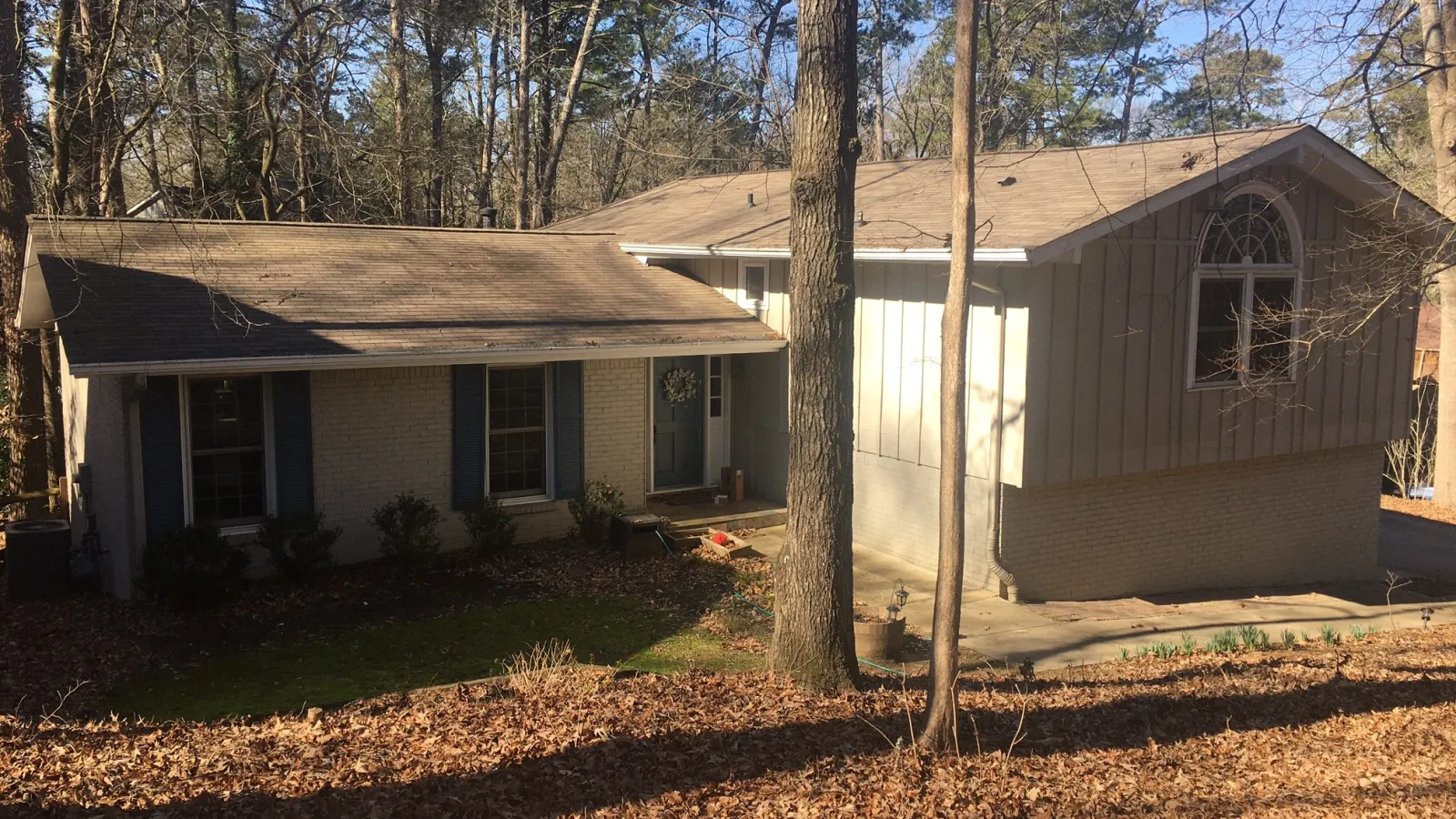
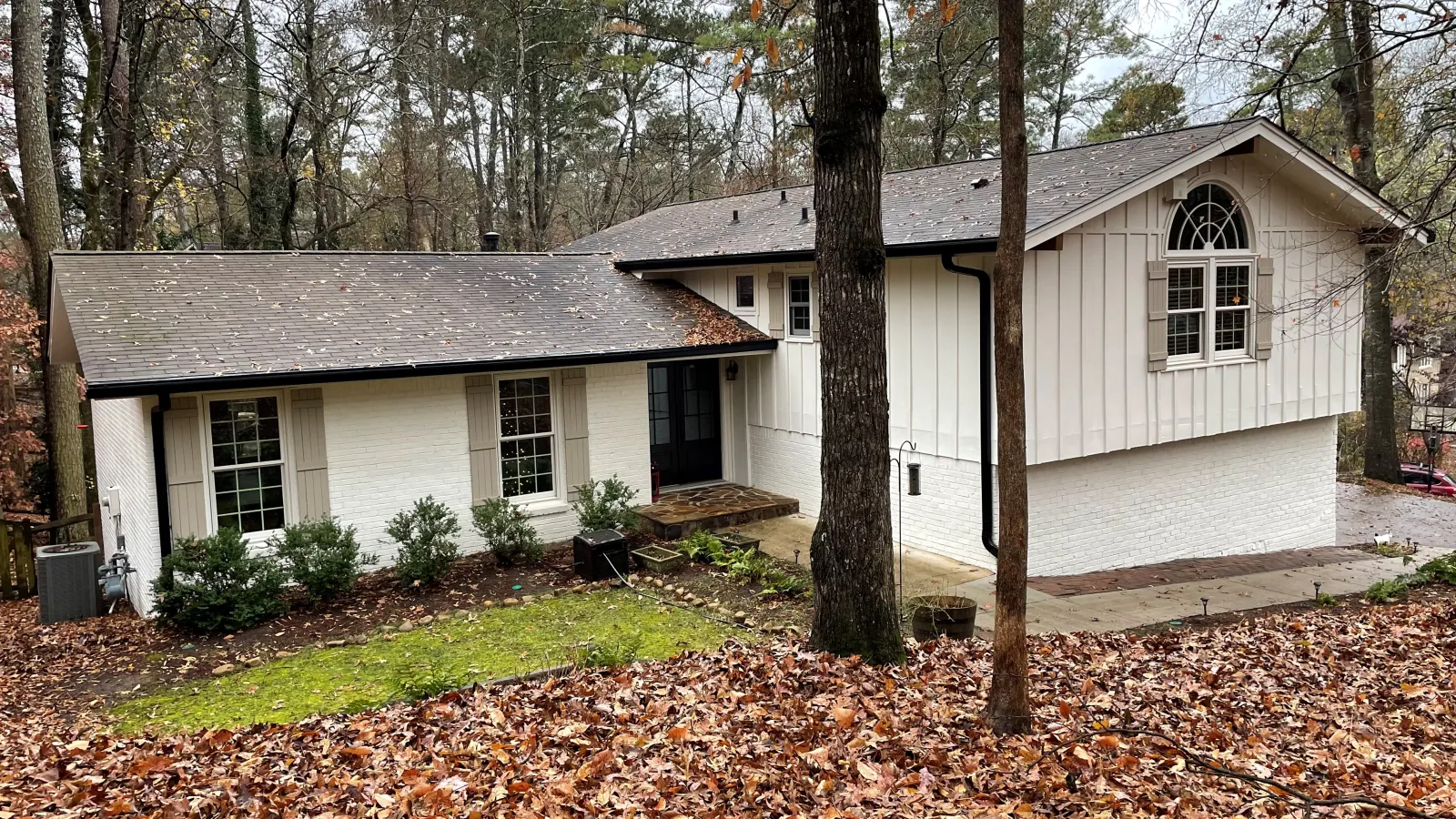
Energy Efficient Windows & Doors
Energy efficient windows and doors meet not only local applicable building codes, but also meet ENERGY STAR qualifications. Energy Star qualified windows and doors are manufactured by an Energy Star partner, and are independently tested and certified by the National Fenestration Rating Council (NFRC). NFRC ratings must meet strict energy efficiency guidelines set by the U.S. Department of Energy (DOE). The National Fenestration Rating Council (NFRC) label is needed for verification of energy code compliance. The NFRC label displays energy properties and appears on all products which are part of the Energy Star program. The Department of Energy (DOE) does not require any specific technologies; however certain product features are common in many qualified window and door products.
Benefits of Energy Effiecient Windows & Doors
There are many benefits of installing energy efficient windows and doors.
- substantially reduce heating and cooling seasonal costs. Low E glass coatings, gas fills between the glass, and insulating spacers and frames result in a lower U-factor, meaning less winter heat loss. The Low E glass coatings also reduce solar heat gain reducing cooling costs in the summer.
- improve daylight and visibility using Low E coatings as compared to older tints and films while significantly reducing solar heat gain.
- provide improved overall home comfort. Reducing the U-factor means windows temperatures are more moderate and there are fewer colder drafts and reducing the Solar Heat Gain Coefficient (SHGC) results in less discomfort from the sun.
- help reduce fading of fabric, furnishings, and flooring. Low E coatings on glass within the window assembly can significantly reduce the ultraviolet (UV) rays which cause fading of fabrics and furnishing.
- help lower mechanical equipment costs. Installing high performance windows and doors that reduce solar heat gain and lower U-factors will result in less wear and tear on heating and cooling units.
Replacement Window Considerations
Replacing your old windows with energy efficient windows is a simple process. Here are the questions you should ask your contractor.
-
Is the full window being replaced including the frame? Full window replacement includes removing the entire window unit including the frame. The interior casing/trim will have to be removed in order for the entire window frame to be removed. The new window unit will be placed into the same position that was occupied by the old window unit. This is an opportunity to fix issues such as water or air leakage that may have occurred around the old frame.
-
Is this a retrofit window inserted into the existing frame? This method describes how vinyl replacement windows are installed. The old sash or sashes and balance system (jamb liners) are removed and the original frame left in place. The new window is inserted into the existing frame. This method should not be used if the existing window and frame are significantly out of square. This type of window replacement can also significantly reduce the overall glass area.
-
Are just the sashes being replaced with a new sash kit? Many manufacturers offer replacement sash kits which include the new window sashes and balance system (jamb liners) to ensure good operability and fit. They include sash tilt options and operate easily. This option allows for easy installation but the existing frame must square and in good shape so that air and water tightness is ensured.
Each of these options can offer a variety of energy efficient features and rated energy performance. The best way to ensure energy efficiency is to look for Energy Star qualified windows and doors.