Vinyl Siding
Vinyl siding can be a great option for homeowners who want to improve the aesthetics of their home while creating an attractive low maintenance exterior. Vinyl siding is durable, inexpensive and relatively easy to maintain. Vinyl siding is available in a variety of grades, styles, profiles and colors making it a practical choice for many architectural styles. There are many factors to contemplate if you are considering installing vinyl siding on your home:

Low Maintenance: Vinyl Siding does not rot and never needs to be painted. These are the biggest reasons many people choose vinyl siding for residing their home. In fact, the only regular maintenance vinyl siding needs is to be pressure washed once or twice a year. When you factor in the cost to repaint a home every 3-5 years, the cost of vinyl siding can be recouped very quickly.
Installed Cost: Installing vinyl siding on your home is going to be more expensive than a quality paint job. The installed cost of vinyl siding will vary depending on the size of the home, the quality/style of the siding, and quality of the installation but is typically less expensive than wood and fiber-cement siding replacement options. Vinyl siding also has the potential to help save future maintenance costs and energy costs.
Curb Appeal / Property Value: Vinyl siding will add a new fresh look to an otherwise dated home. There are many profiles, thicknesses, and colors of vinyl siding available today. While the traditional horizontal profiles that resemble wood siding are available, there are many other options available, including board & batten, shakes, and scallops. Over the past several years, there have been many accessory products made available like window and door mantles, pilasters, and other moldings that will add character and detail to a home with the low maintenance attributes of vinyl siding.
Energy Efficiency: When retrofitting an existing home with vinyl siding, there are several ways you can increase the energy efficiency of your home:
- Moisture barrier / insulation board – Siding contractors should install a moisture barrier and/or insulation board on top of the existing siding before installing the vinyl siding. The insulation board provides a smooth surface for the siding to be installed and tightens the building envelope which will save energy.
- Pre-insulated or foam backed vinyl siding – Many siding manufacturers offer vinyl siding that has insulation integrated into the back of the siding itself. This foamed back vinyl siding can add an R-Value as much as 4 or 5 to your wall system.
Certified Vinyl Siding Contractors
Replacing your siding with vinyl siding can be a simple process, but there are many key items that a qualified installer should know. Here are a few of the questions you should ask your contractor.
- Will a moisture barrier or insulation board be installed before the vinyl siding? Insulation board is used to give the vinyl siding installers a smooth, level surface to install the siding onto, while also providing the side benefit of extra wall insulation for the homeowner. Just as important, the insulation board will serve as a moisture barrier between the vinyl siding and wall substrate. Vinyl siding has weep holes at the bottom to allow moisture to escape (much like brick weep holes) from behind it and the insulation board will will prevent moisture from entering your home.
- Will a moisture barrier or insulation board be installed before the siding? While vinyl siding has weep holes to allow moisture to escape from behind it, a moisture barrier will help prevent moisture from entering your home. Insulation board is often used for this purpose as it also gives the vinyl siding installers a level surface to install the siding onto, while also providing the side benefit of extra wall insulation for the homeowner.
- What products will be used? There are several different grades or thicknesses of vinyl siding available. The contractor’s proposal should clearly specify the manufacturer, product, style or lap, and accessories to be used by the contractor.
- Is the contractor a manufacturer certified installer? It is very important for vinyl siding to be installed per the manufacturer’s installation specifications. Vinyl siding will expand and contract as temperatures change. If vinyl siding is nailed too tightly it can fail causing severe wavyness and blistering in the product. Contrarily if vinyl siding is nailed too loose, it can rattle or come loose during windy conditions. This “rattling” can be heard inside the home. If the product is not installed properly, the manufacturer could opt not to warranty any defects with the product.
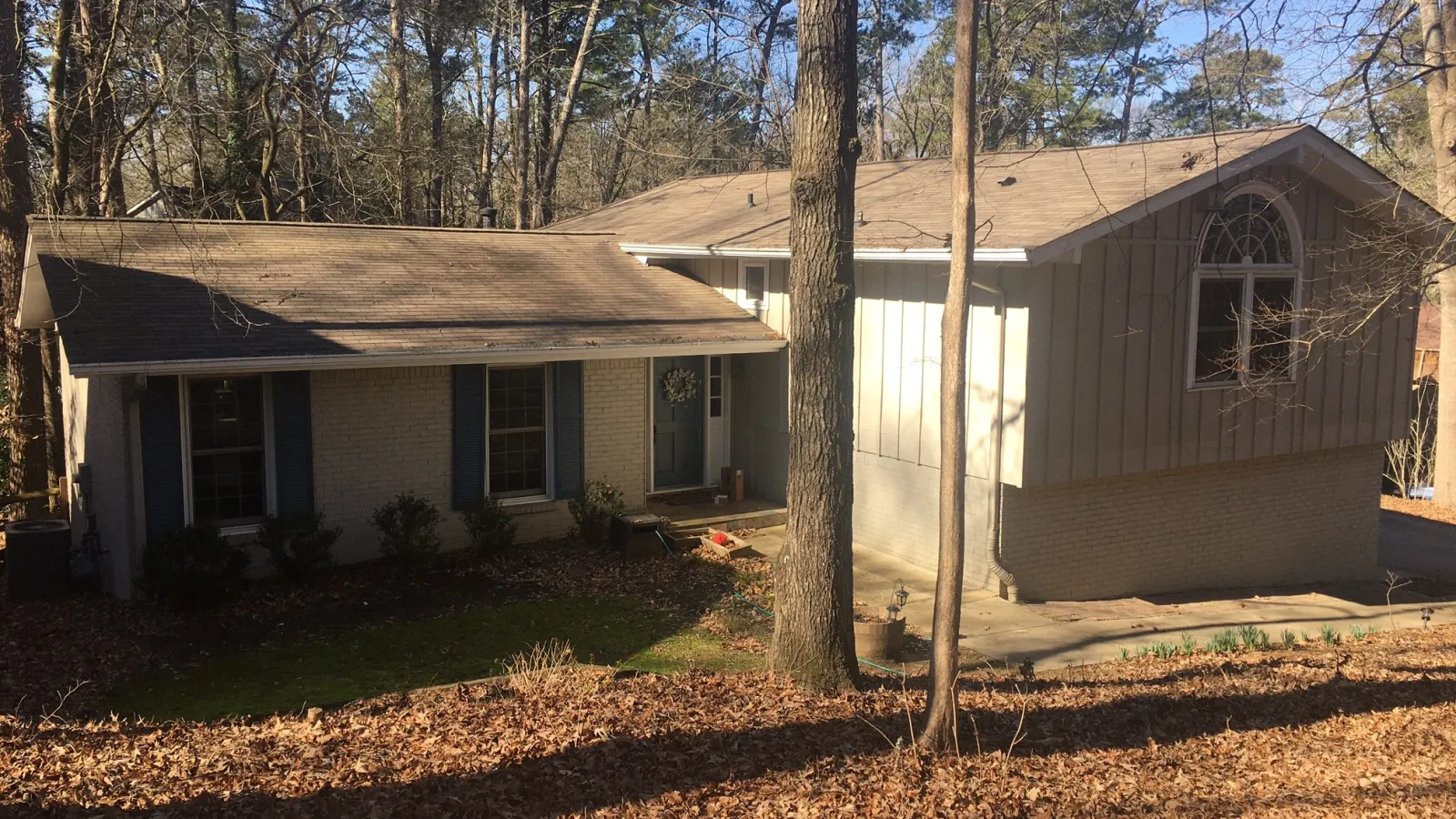
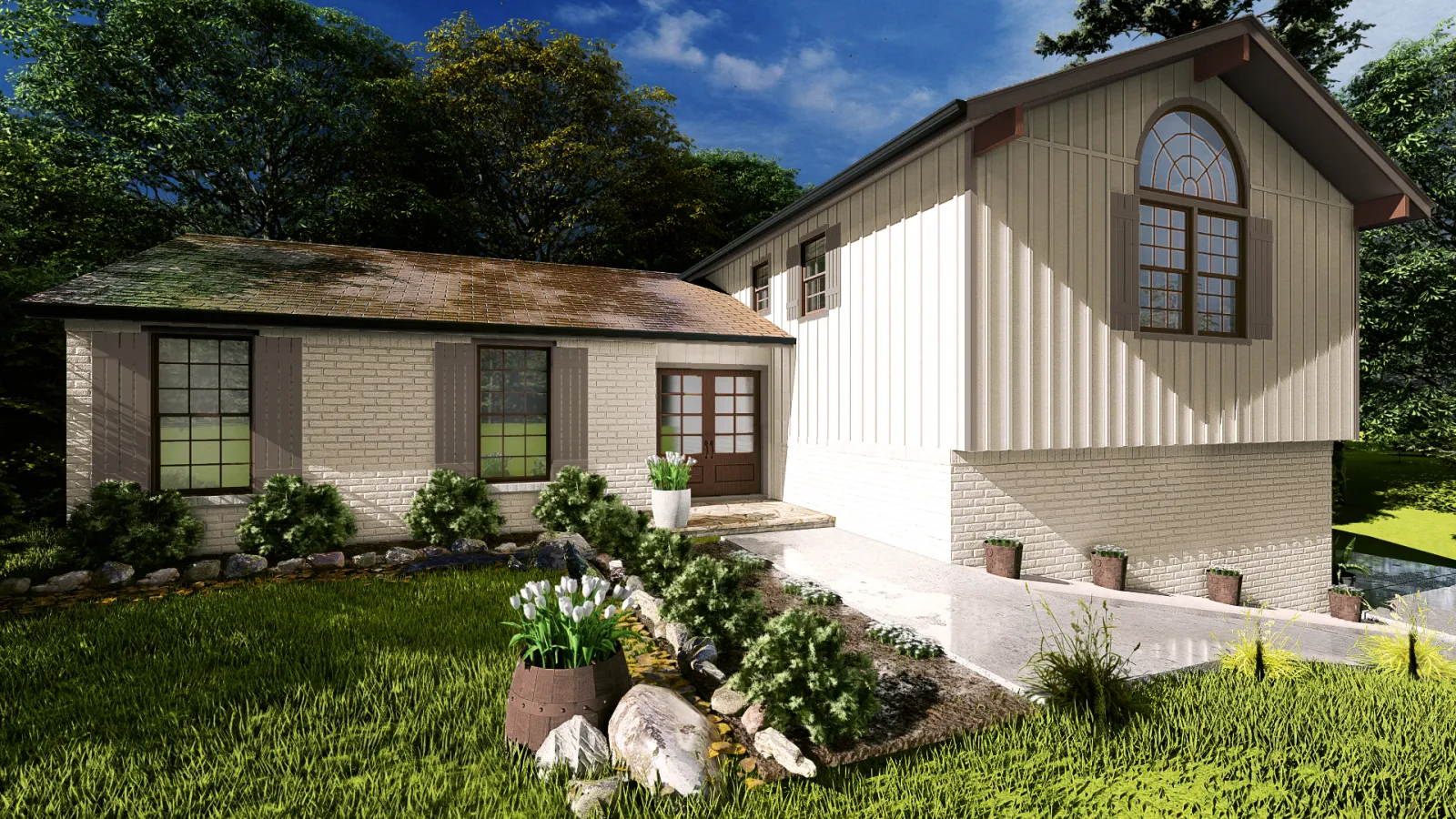
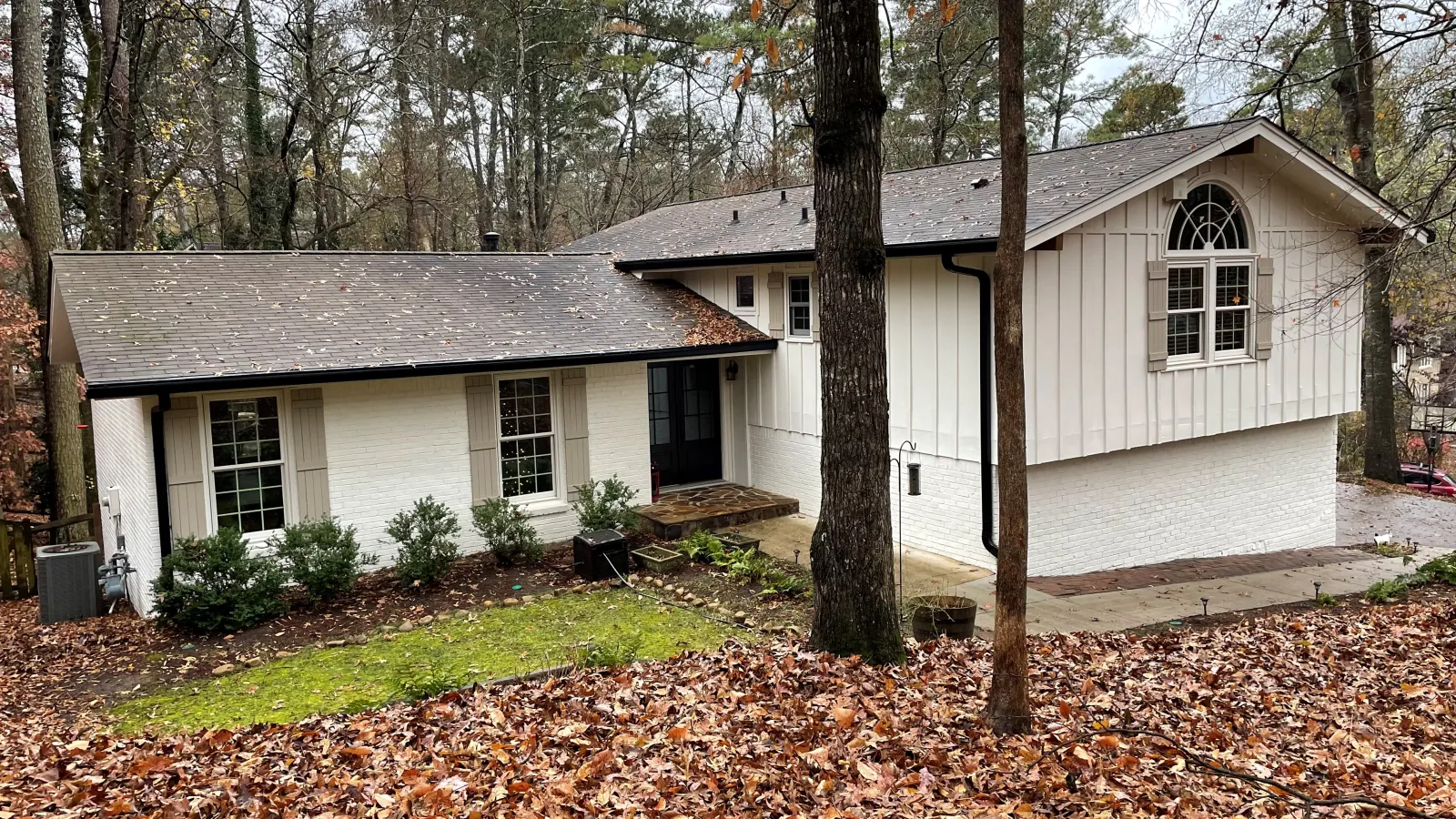
Want to see your home with its new vinyl siding BEFORE we start the remodeling project? Be sure to ask about EXOVISION™, our architectural rendering design process that takes the guesswork out of your remodeling plans. If you choose EXOVATIONS as your remodeling contractor, then the EXOVISION fee is deducted from your project price.
Click the links below to read customer vinyl siding reviews and to see before and after photos of a few of our vinyl siding and fiber cement siding projects:


| No-rot, energy efficient vinyl siding materials that offer the beautiful look of natural wood means that your home will not only look beautiful, but it will withstand the test of weather and time. |
| Our detailed written project schedule will show you exactly what work we will be doing, when we will be doing the work, and when your siding project will be complete. |
| We give you a Lifetime Workmanship Warranty on your siding installation and all other work performed by EXOVATIONS®. |