
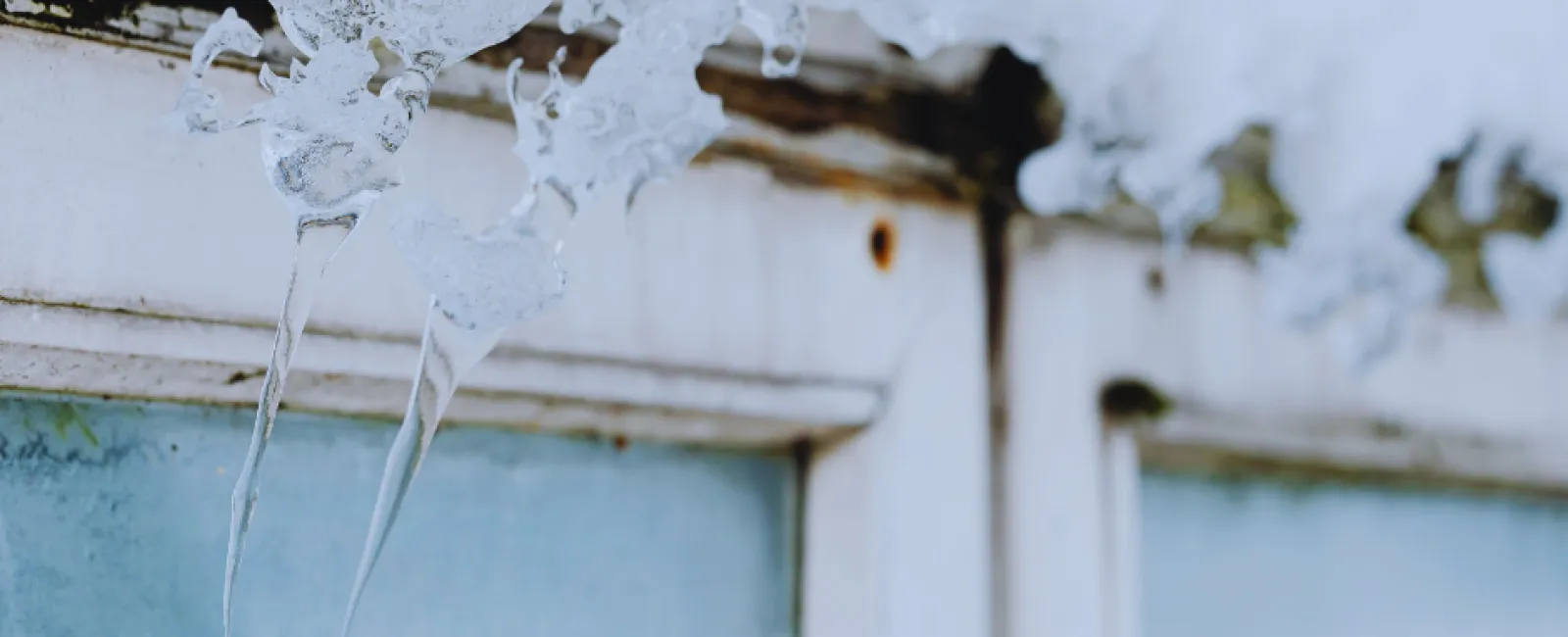
While Georgia typically doesn't experience the harshest winters, our occasional cold snaps combined with high indoor humidity can cause ice to form on the inside of windows. Understanding why there is frost inside your windows is the first step toward solving this problem. When warm, humid indoor air meets cold window surfaces, condensation forms. If temperatures drop low enough, that moisture freezes into frost patterns or even thick ice build up on windows. This frozen moisture can damage window frames, promote mold growth, and signal bigger energy efficiency issues in your home.
Why Are My Windows Freezing Inside?
The science behind window frost is straightforward, but the causes vary widely among Georgia homes. When indoor humidity levels are high and outdoor temperatures drop below freezing, your windows become condensate. This happens more frequently in bathrooms, kitchens, and bedrooms where moisture production is highest.
Several factors contribute to excessive moisture in Atlanta homes. Our region's naturally humid climate means outdoor air carries significant moisture year-round. Add in daily activities like cooking, showering, and even breathing, and indoor humidity levels can quickly spike. Poor ventilation traps this moisture inside, while inadequate insulation allows cold spots to form on window surfaces.
Older windows compound the problem significantly. Single-pane windows common in homes built before the 1980s offer minimal insulation, allowing cold outdoor temperatures to chill the glass surface directly. Even double-pane windows can develop issues if their seals fail, allowing moisture to enter between panes and reducing their insulating value.
How to Stop Frost on Window Surfaces
When you need immediate relief from window frost, these strategies work quickly. First, lower your home's humidity level by running exhaust fans in bathrooms during and after showers, using range hoods while cooking, and opening windows briefly on dry days to exchange humid indoor air for drier outdoor air. Even in winter, Georgia often experiences dry, sunny days perfect for this natural ventilation.
Place towels along windowsills to absorb condensation before it freezes. While not a permanent solution, this prevents water damage to window frames and surrounding walls. For stubborn frost already formed, never use sharp objects to scrape ice. Instead, aim a hairdryer on low heat at the window, keeping it moving to avoid cracking the glass from thermal stress.
Strategically placing portable dehumidifiers near problem windows provides rapid humidity reduction. Set them to maintain 30-40% relative humidity for optimal comfort without excessive window condensation. Many homeowners find running ceiling fans in reverse (clockwise) during winter helps circulate warm air downward, raising window surface temperatures just enough to prevent frost formation.
Long-Term Strategies for Preventing Ice on the Inside of Windows
Permanent solutions require addressing your home's overall moisture management and insulation. Start by identifying and sealing air leaks around windows using weatherstripping or caulk. These small gaps not only let cold air in but also create temperature variations that encourage condensation. Pay special attention to the meeting rail where upper and lower sashes connect on double-hung windows.
Installing storm windows provides an extra barrier against cold while creating an insulating air pocket. This affordable upgrade works particularly well for historic homes in neighborhoods like Virginia-Highland where replacing original windows isn't desired or permitted. Interior storm windows offer similar benefits without changing your home's exterior appearance.
Consider upgrading to energy-efficient windows if your current ones are beyond repair. Modern double or triple-pane windows with low-E coatings and argon gas fills dramatically reduce frost formation.
Managing Indoor Humidity Throughout Georgia's Variable Seasons
Humidity control is crucial for preventing window frost during North Georgia's unpredictable winter weather. Install a whole-house dehumidifier integrated with your HVAC system for automatic humidity management. These systems monitor and adjust moisture levels continuously, maintaining optimal conditions without constant manual adjustment.
Proper attic ventilation helps prevent window frost as well. Inadequate ventilation allows warm, moist air from living spaces to accumulate in the attic, eventually condensing on cold surfaces and potentially leaking back into wall cavities near windows. Ensure soffit and ridge vents remain unblocked and consider adding ventilation if your attic feels excessively humid.
Regular HVAC maintenance ensures your system effectively removes moisture during operation. Change filters monthly during heating season, as clogged filters reduce airflow and moisture removal capacity. Have your system professionally serviced annually to maintain peak efficiency and identify potential humidity-related issues before they worsen.
Room-Specific Tips for Common Problem Areas
Bathrooms typically experience the worst window frost due to shower steam. Install a timer switch for exhaust fans to ensure they run at least 30 minutes after showering. Keep bathroom doors open when not in use to promote air circulation and prevent moisture accumulation.
Bedrooms present unique challenges since we naturally exhale moisture while sleeping. Crack windows slightly on mild nights, use breathable bedding materials that don't trap moisture, and avoid drying clothes indoors near windows. If you use a humidifier for health reasons, monitor room humidity levels carefully and adjust output accordingly.
Kitchens generate substantial moisture from cooking and dishwashing. Always use exhaust fans while cooking, especially when boiling water or using the dishwasher. Avoid excessive houseplants near kitchen windows, as they release moisture through transpiration and increase localized humidity levels.
When Professional Window Replacement Makes Sense
Sometimes, preventing frost on window surfaces requires professional intervention. If you notice condensation between double-pane glass, the seal has failed and the window needs replacement. Rotting frames, difficulty opening or closing windows, or visible gaps around frames also indicate it is time for a replacement.
EXOVATIONS specializes in energy-efficient window solutions designed for North Georgia's climate. We understand that every home is unique, from historic Woodstock homes to modern Buckhead subdivisions, and we tailor our approach accordingly.
Contact EXOVATIONS today for a consultation. Our certified professionals serve the entire metro Atlanta area, bringing decades of experience in solving Georgia's toughest window challenges.


